
Small Changes That May Signal a Need for Residential Care
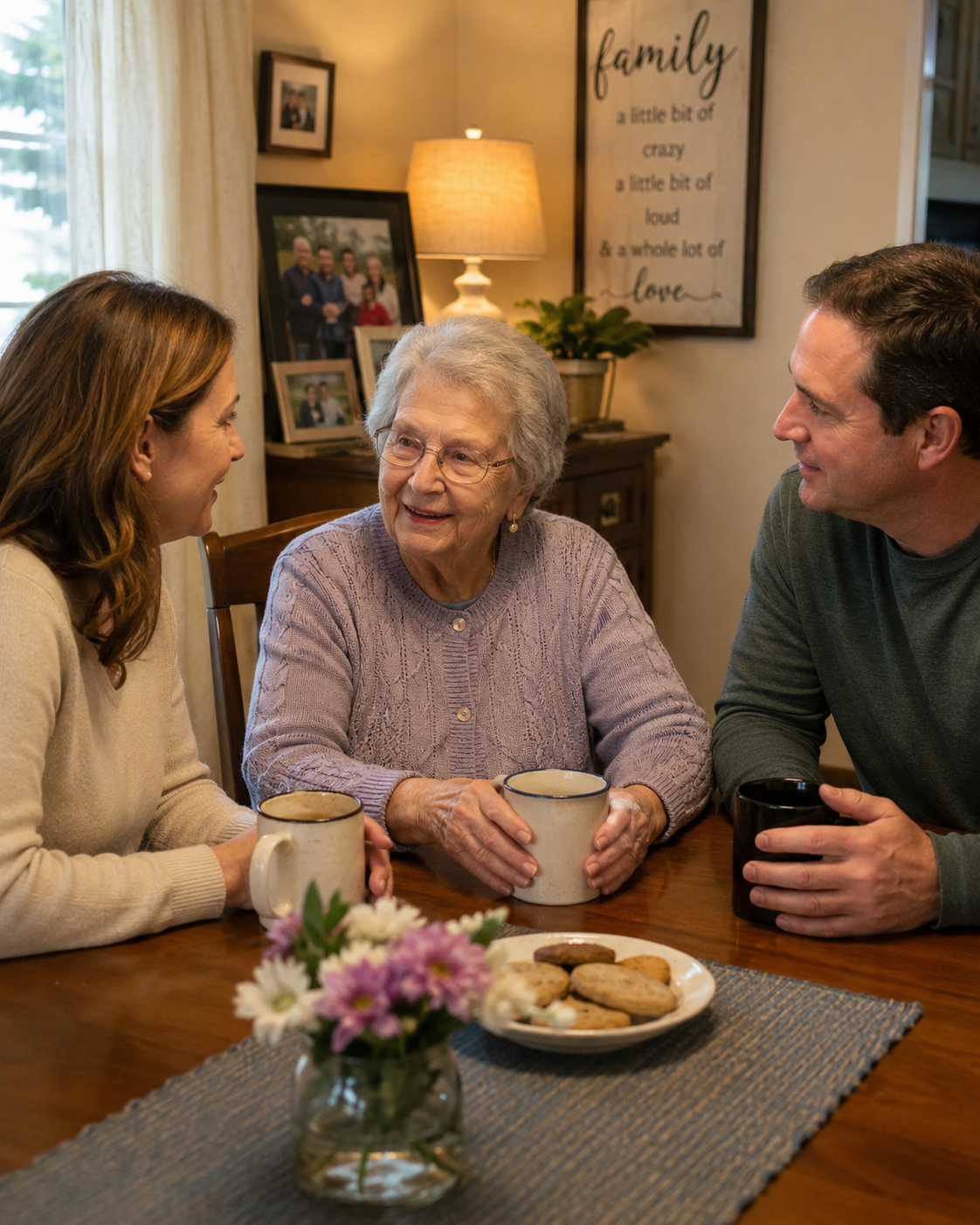
Families often believe that the need for residential care will become clear after a single significant event, such as a serious fall, a sudden crisis, or an urgent call that requires immediate decision-making. While this can happen, more frequently, the need for additional support develops gradually.
Initially, one small change may not seem concerning. However, when multiple changes start occurring simultaneously, they can indicate that an older adult’s current living situation is becoming increasingly difficult to manage safely and consistently.
By recognizing these patterns early, families can take the time to explore residential care options thoughtfully, rather than being forced to make decisions in the midst of an emergency.
The Changes May Seem Small at First
An older loved one may still sound like themselves on the phone. They may insist that everything is fine and continue doing many things independently.
At the same time, family members may begin noticing subtle differences.
Meals Become Less Consistent
The refrigerator may contain very little fresh food. Groceries remain unopened. Meals become smaller, repetitive, or occasionally skipped.
This does not always mean that a senior has lost interest in eating. Preparing food, remembering mealtimes, cleaning afterward, or deciding what to cook may simply be becoming more difficult.
In a residential care home, meals and snacks can become part of a dependable daily rhythm rather than another task the senior must manage alone.
Personal Routines Start Slipping
Clothing may be worn for several days. Laundry may begin piling up. Bathing, grooming, or changing bed linens may happen less consistently.
These changes should be approached with compassion rather than criticism. They may indicate that ordinary routines now require more energy, reminders, or assistance than they once did.
The Home Becomes Harder to Maintain
Unopened mail, cluttered walkways, forgotten household tasks, or spoiled food can gradually appear.
A home that once felt familiar and manageable may begin demanding more physical and mental effort than an older adult can comfortably provide every day.
Family Support Quietly Becomes Daily Management
Another important sign is the amount of coordination happening behind the scenes.
One family member brings meals. Another calls every morning. A neighbor checks in during the afternoon. Someone else manages appointments, errands, laundry, or household concerns.
Each task may seem manageable by itself. Together, they can create a care system that depends on constant scheduling and availability.
Families may begin asking:
Has someone checked on Mom today?
Did Dad eat lunch?
Who is available this weekend?
Did anyone remind her about her evening routine?
What happens when everyone is working or away?
When daily life requires this much coordination, the concern is no longer limited to one chore. It may be time to consider whether a residential setting could provide more consistent support.
Living Alone May No Longer Feel Reassuring
Privacy and independence are important, but long periods alone can become concerning when a senior needs frequent reminders, companionship, or help with everyday activities.
A loved one may spend most of the day without meaningful conversation. They may become less interested in activities because starting them alone feels difficult. Days may lose structure, with irregular waking, sleeping, or mealtimes.
Residential care can provide a gentler daily rhythm through shared meals, familiar routines, nearby support, and opportunities for connection.
The goal is not to remove independence. It is to provide enough support for each day to feel safer, calmer, and more manageable.
Waiting for a Crisis Can Limit the Family’s Choices
Families sometimes postpone discussing residential care because they do not believe the situation is “serious enough.”
But a family does not need to wait for an emergency before exploring options.
Starting the conversation earlier allows everyone to:
Learn what residential care provides
Identify the loved one’s preferences
Visit or research possible homes
Discuss familiar routines and meaningful belongings
Make decisions with greater clarity
Exploring residential care does not commit the family to an immediate move. It simply helps them understand what support may be available if the current arrangement becomes unsustainable.
Residential Care Can Be a Proactive Decision
Choosing residential care is not always a response to failure or crisis.
It can be a proactive decision to provide:
Dependable meals and daily routines
Assistance with everyday activities
A safer, more manageable living environment
Regular companionship
Consistent presence and reassurance
A home-like place where the senior can feel known and valued
Sometimes the clearest sign is not one dramatic incident. It is the growing realization that a loved one deserves more support than the family’s current arrangement can consistently provide.
Noticing that need is not giving up.
It is paying attention.
It is planning carefully.
And it can be one of the most responsible ways a family protects an older loved one’s safety, dignity, comfort, and quality of life.
A Thoughtful First Step
Noticing changes does not mean your family must make an immediate decision. Learning about residential care early can help you understand what kind of environment, daily support, and home-like setting may best meet your loved one’s changing needs.
Explore more Senior Family Home resources about residential care, family involvement, and preparing for a possible transition.
Address
3148 W Rome Ave
Anaheim, CA 92804
hello@seniorfamhome.com


phone
(714) 600-6195